
Deciding exactly what to wear to a funeral often creates anxiety when you already feel overwhelmed by grief. You want to show deep respect for the grieving family through your clothing choices. We guide you through traditional rules and modern expectations so you dress appropriately for any memorial service.
Students researching sociology and cultural norms also find great value in studying mourning attire. You observe fascinating shifts in human behavior when you track how dress codes change over decades. We break down these expectations to help you attend a service confidently or study the cultural impact of funeral fashion.
Understanding Traditional Dress Codes
Society established specific clothing rules long ago to signify shared mourning and respect for the departed. You dress to blend into the background rather than draw attention to yourself. You support the immediate family by maintaining a somber and dignified appearance.
Funeral directors generally advise guests to choose conservative outfits that cover the shoulders and knees. You avoid flashy patterns, bright neon colors, and casual athletic wear at all traditional services. You show you understand the gravity of the occasion through these simple, understated choices.
The Importance Of Dark Colors
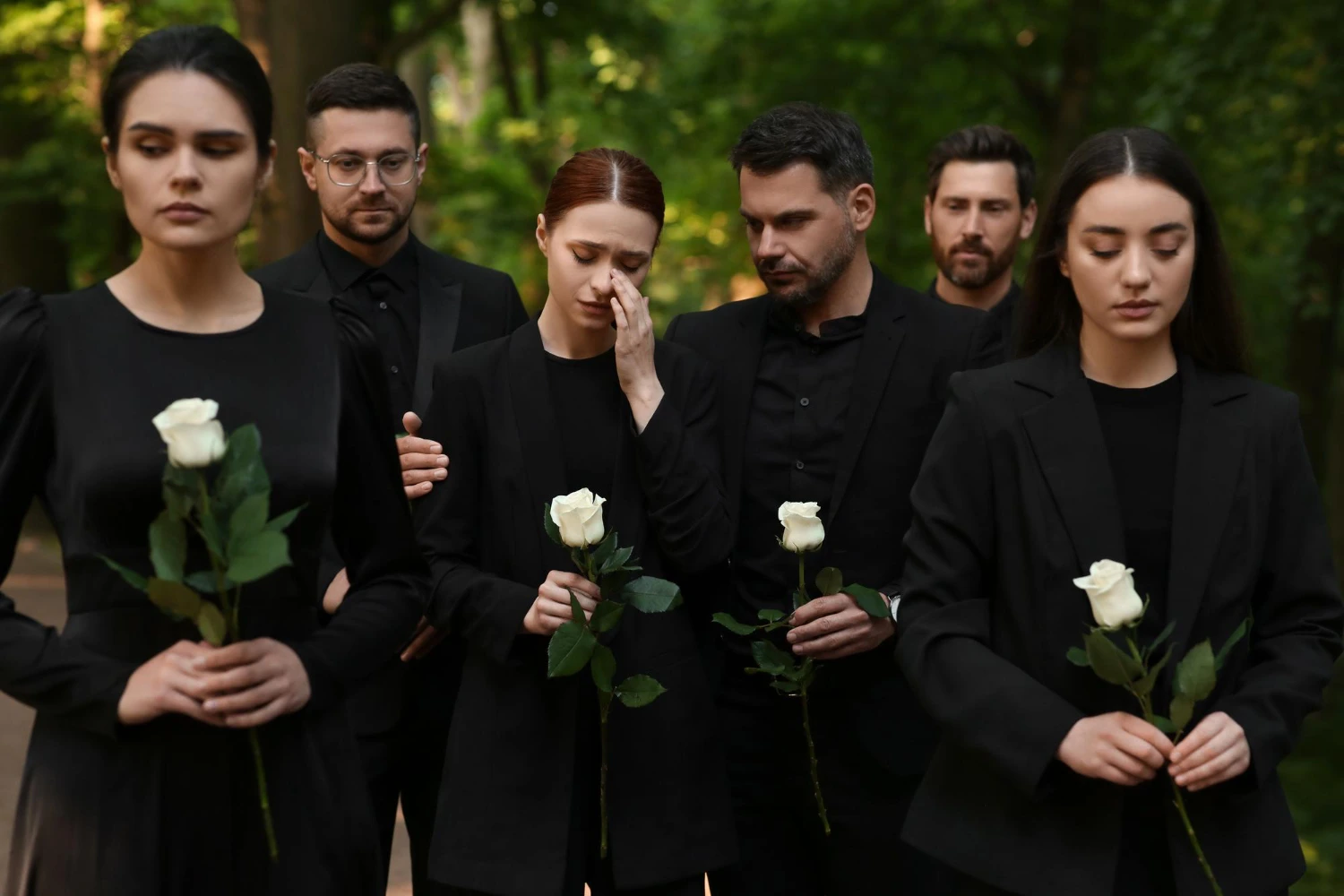
Black remains the standard color of mourning in most Western cultures. You can safely wear a black suit or a black dress to almost any traditional service. You demonstrate immediate respect when you walk into the venue wearing this universal color of grief.
You do not have to wear black exclusively to show you care. You can opt for dark navy blue, charcoal gray, or deep hunter green if you lack black clothing. You simply need to keep the overall color palette muted and dark.
Choosing Conservative Styles
You should select garments with modest necklines and appropriate hemlines. You avoid revealing clothing because it distracts from the purpose of the gathering. You want the focus to remain entirely on honoring the person who passed away.
You pick tailored pieces that fit well and look intentional. You iron your clothes before you leave the house to present a neat appearance. You communicate your sympathy nonverbally by taking the time to look presentable.
Navigating Modern And Casual Services
Families increasingly choose alternative ways to honor their loved ones. You might receive an invitation to a casual memorial or a bright celebration of life. You must adjust your wardrobe based on the specific instructions provided by the family.
You read the obituary or the physical invitation carefully to catch any specific dress requests. You contact a close friend of the family if you feel unsure about the expectations. You always defer to the wishes of the people organizing the event.
Celebrations Of Life Dress Guidelines
A celebration of life often features a completely different atmosphere than a traditional church service. Families sometimes ask guests to wear the favorite color of the deceased. You might wear bright yellow or ocean blue if the family specifically requests those shades.
You still maintain a level of neatness even when the dress code relaxes. You wear clean trousers or a nice skirt instead of ripped jeans or beach shorts. You balance the celebratory tone with basic social respect.
Outdoor And Graveside Considerations
Weather changes everything when you attend a graveside burial. You check the forecast the morning of the event so you can prepare adequately. You bring a dark umbrella if you expect rain or harsh sunlight.
You wear layers so you can adjust to dropping temperatures at an outdoor cemetery. You choose a heavy wool coat in dark colors for winter burials. You prioritize your health and comfort while maintaining a respectful exterior.
Handling Alternative Venues
Modern families sometimes host gatherings at public parks, beaches, or community centers. You modify your clothing choices to fit these unique environments safely. You wear breathable fabrics like cotton or linen if you attend a summer memorial at the beach.
You still avoid overly casual items like graphic t-shirts or swimsuits. You find a middle ground between the location’s relaxed nature and the solemnity of the event. You ask the organizers for guidance if the venue choice confuses you.
Specific Clothing Recommendations
We know you want concrete examples of acceptable outfits to make getting ready easier. You probably already own pieces that work perfectly for a memorial. We outline exact combinations for different attendees to eliminate your guesswork.
You mix and match these basic staples to create an appropriate ensemble. You prioritize comfort since services often require long periods of sitting or standing. We list the most reliable choices below.
Appropriate Attire For Men
Men typically wear a dark suit paired with a white dress shirt and a dark, solid tie. You project immediate respect when you arrive in tailored formal wear. You keep your suit jacket buttoned during the formal parts of the ceremony.
You can wear dark dress slacks and a pressed button-down shirt if you do not own a suit. You add a dark blazer or a quiet cardigan to elevate the look. You always tuck in your shirt and wear a simple belt.
Appropriate Attire For Women
Women often select a dark dress that falls to the knee or below. You wear a cardigan or a blazer over sleeveless dresses to cover your shoulders. You project a quiet dignity with these classic, modest silhouettes.
You can also wear dark dress pants paired with a formal blouse or a fine knit sweater. You avoid materials that look too casual like denim or sheer fabrics. You choose outfits that allow you to move comfortably and sit with ease.
Dressing Children For Memorials
You face a challenge when selecting outfits for young children attending a service. You want them to look respectful without forcing them into uncomfortable, stiff clothing. You aim for a neat, clean appearance that mirrors adult styles.
You dress boys in dark trousers and a collared shirt. You dress girls in a dark, simple dress or a skirt and blouse combination. You ensure their shoes fit well so they do not fuss or trip during the quiet moments.
Cultural And Religious Variations
You must recognize that mourning customs vary dramatically across the globe. You risk offending the family if you assume Western traditions apply to every religious ceremony. You research the specific cultural background of the deceased before you select your outfit.
Students studying global religions track how faith dictates physical expression during grief. You learn profound lessons about different cultures by examining their end of life rituals. We highlight a few common variations you might encounter.
White Clothing In Eastern Traditions
Many Asian cultures view white as the color of mourning and passage. You wear white to funerals in Hindu and certain Buddhist traditions to symbolize purity and rebirth. You avoid wearing black at these specific ceremonies because it represents bad luck.
You respect these ancient customs by following the family’s lead. You ask someone familiar with the culture if you feel uncertain about your color choices. You show your cultural awareness through your willingness to adapt.
Modesty Rules In Different Faiths
Orthodox Jewish and Islamic funerals require strict adherence to modesty guidelines. You must cover your arms, legs, and collarbones completely at these services. You wear loose fitting clothing that does not cling to your body.
Women often need to wear a headscarf or a hat when entering a mosque or an orthodox synagogue. Men usually wear a specific head covering like a yarmulke provided at the door. You embrace these rules to show deep respect for the sacred space.
Accessories And Grooming Guidelines
Your accessories complete your outfit and contribute to the overall impression you make. You must choose functional and quiet pieces that do not distract from the service. You avoid anything that jingles, sparkles aggressively, or draws the eye.
You keep your overall look understated from head to toe. You remember that simplicity speaks volumes during times of sorrow. We detail exactly how to finish your look appropriately.
Selecting Proper Shoes
You need comfortable shoes because you will likely stand for long periods and walk on uneven ground. You leave high stilettos at home because they sink into the grass at the cemetery. You select low wedges, flat dress shoes, or sensible loafers instead.
You ensure your shoes look clean and polished before you leave. You wear dark colored shoes that match the tone of your outfit. You avoid open-toe sandals or flashy sneakers entirely.
Keeping Jewelry Minimal And Respectful
You select simple, elegant jewelry rather than loud statement pieces. You wear a basic watch, small pearl earrings, or a thin necklace. You avoid thick gold chains or large, glittering diamonds.
You remove multiple clanking bracelets so you do not make noise during silent prayers. You want your accessories to blend in just like your clothing. You demonstrate restraint and consideration with your choices.
Dealing With Fragrances And Grooming
You skip heavy perfumes and colognes when you dress for a memorial. You share confined spaces with many other guests in funeral homes and churches. You respect attendees who suffer from allergies or scent sensitivities by remaining fragrance free.
You groom your hair neatly and keep makeup application natural and subdued. You bring a clean handkerchief or travel tissues in your pocket or purse. You prepare yourself practically for an emotional day.
Educational Value For Students
We design this guide to help practical planners and academic students alike. You learn a tremendous amount about societal values by analyzing what people wear during their darkest hours. You track the breakdown of strict Victorian mourning rules into today’s relaxed standards.
You observe how fast fashion and remote work change the baseline of formal wear. You document these trends to understand broader shifts in social etiquette. We encourage you to view these traditions through an analytical lens.
Analyzing Cultural Shifts In Mourning
You study old photographs to see how entire families once wore heavy black crepe for a full year. You contrast that historical data with modern memorial services where people wear jeans and bright colors. You analyze what causes these rapid changes in social expectations.
You write papers on how economic factors influence the ability to buy specific mourning clothes. You recognize that dress codes often reflect class and financial status. You dig deeper into the socioeconomic realities of the death care industry.
The Psychology Of Grief And Attire
You explore how getting dressed for a funeral helps individuals process their immediate shock. You realize that following strict rules gives grieving people a sense of control during a chaotic time. You study the psychological comfort of wearing dark, protective colors.
You research how modern celebrations of life attempt to shift the psychological focus from loss to joy. You evaluate whether bright clothing actually changes the emotional state of the attendees. You ask compelling questions about the connection between physical appearance and mental health.
Making Your Final Preparations
You show respect and love when you dress carefully for a memorial service. You follow these guidelines to ensure you never distract from the memory of the person you gather to honor. You relieve your own anxiety by knowing exactly what society expects of you.
Students use essay services https://writepaper.com/do-my-assignment to ensure their work is refined, well-organized, and aligned with academic expectations.